REVIEW · ATV & UTV TOURS
RastaSafari Experience from Montego Bay
Book on Viator →Operated by Jamaica Quest Tours · Bookable on Viator
ATV rides meet Rastafarian storytelling in Jamaica. This RastaSafari experience takes you off the resort strip and into small settlements where you’ll hear firsthand how people live, what they grow, and how their Rastafarian culture shows up day to day. I like that it mixes scenic countryside riding with hands-on stops like fruit tasting and a water break in mineral springs.
I really appreciate two things: the round-trip hotel pickup in an air-conditioned vehicle, and the chance to taste fresh fruit straight from trees during the ride. That combination makes the whole day feel more like a guided day trip than another check-the-box attraction.
One thing to watch: the ATV part may not be fully explained before you arrive. One past customer said the booking looked like it mainly covered transport and that they had to pay an ATV fee on arrival, with pictures feeling misleading. If you’re booking for the ATV ride itself, I suggest you confirm what your ticket covers and whether any ATV charges come later.
In This Review
- Key highlights to know before you go
- RastaSafari from Montego Bay: what the experience is really like
- Price and logistics: transfers, time, and what might cost extra
- Your start: pickup, drive, and the Rastafarian settlement entrance
- Stop 1: the community hike, stories, and how you learn by doing
- The ATV safari: uphill roads, forest trails, and planned stops
- Swim stops and fruit tastings: how they change the whole day
- The homemade meal: what to expect at the end
- Who this ATV + culture day trip suits best
- Practical tips so you enjoy the ride more
- Should you book RastaSafari from Montego Bay?
- FAQ
- How long is the RastaSafari Experience?
- Where does the tour start and end?
- Is hotel pickup included?
- What does the tour include besides pickup?
- Do I need an admission ticket?
- Is lunch included?
- Are alcoholic beverages included?
- Is this a private tour?
- Can most people participate?
- What is the cancellation policy?
Key highlights to know before you go
- Private round-trip pickup from Montego Bay makes this easy, especially if you don’t want to figure out local transport
- Welcome juice and bottled water help you start the day hydrated
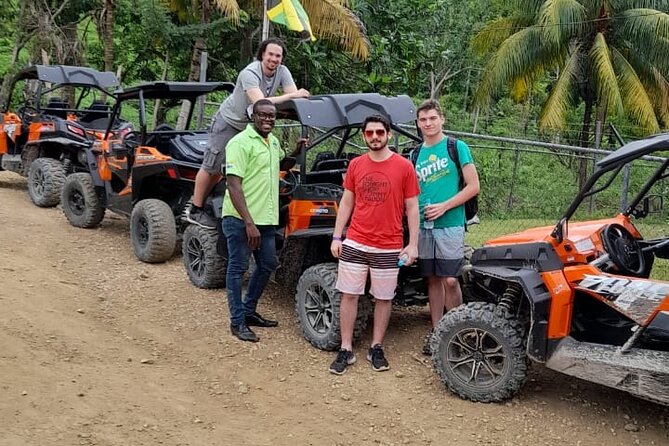
- ATV ride through forests and farmland with multiple stops beats a straight transfer-only trip
- Fruit tasting and swimming in mineral springs add real variety beyond riding and viewing
- Homemade meal option at the end gives you a local-food payoff
- Private group experience means you go as just your party, not a mixed crowd
RastaSafari from Montego Bay: what the experience is really like
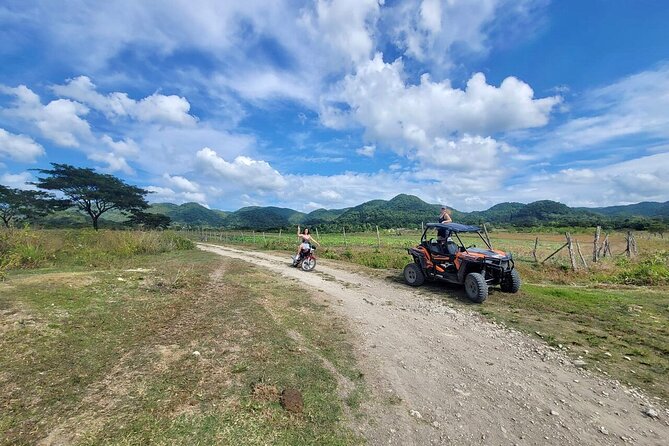
This is sold as an ATV adventure, but the heart of it is the human connection. You drive out from Montego Bay to a private Rastafarian settlement, then you’re guided through the community’s daily life using stories, food, and small moments you can actually join. The ATV is the engine that gets you into the hills and farmland, but the cultural stops are what make the trip feel like more than just a ride.
The pacing also matters. You’re not rushed nonstop. You’ll get a short hike at the start, then a ride with planned stops for water, fruit, and field time. After that, you return for a meal option. So you get action, but you also get time to listen and look around.
If you’re the type who likes your Jamaica beyond beaches and craft shops, this kind of day trip can be a good fit. You’re trading pool time for a look at rural life, with a guide translating what you’re seeing into a story you can follow.
You can also read our reviews of more tours and experiences in Montego Bay.


Price and logistics: transfers, time, and what might cost extra
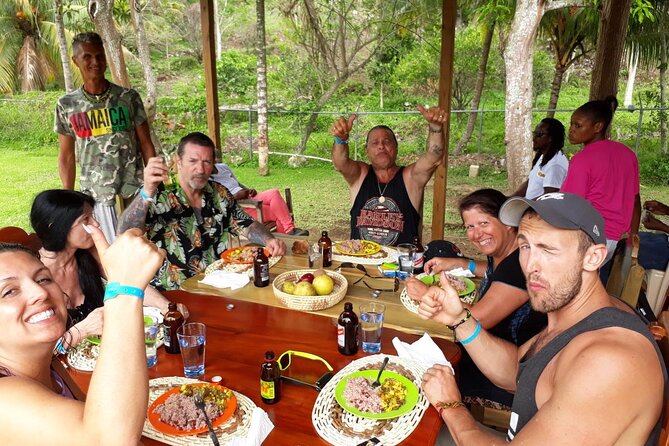
The price is $240 per person, with an approximate duration of 4 to 5 hours. You’ll often see this booked around a week ahead, which makes sense because it’s private and pickup based.
Here’s what’s clearly included: round-trip hotel pickup and drop-off, air-conditioned vehicle transport, bottled water, a professional guide, and a fuel surcharge. There’s also a note about a welcome juice, and the flow of the day matches that.
What’s not included: lunch (and alcoholic beverages). So if you want the homemade Jamaican meal, budget for it. The itinerary also mentions an admission ticket marked free, but it doesn’t clearly spell out whether all ATV-related costs are included in that $240.
That’s why the main value question for you is simple: what portion of the ATV activity is included versus what might be paid at the facility. One customer reported having to pay a fee for the ATV once they arrived. I can’t say that’s the norm, but it’s enough of a red flag that you should confirm before you go. Ask the operator what your booking covers for the ATV ride itself, and what, if anything, is paid on-site.
The other logistical note: this is non-refundable and can’t be changed for any reason. If you’re booking, make sure your plans are firm.
Your start: pickup, drive, and the Rastafarian settlement entrance
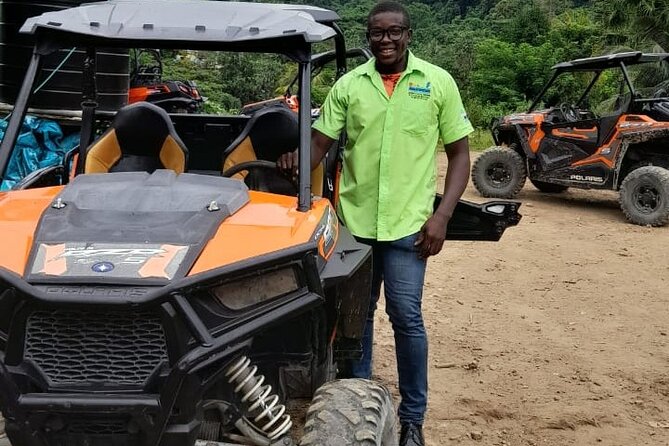
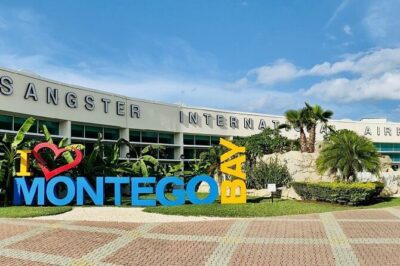
Your day begins in Montego Bay with pickup from your hotel. The vehicle is air-conditioned, and you’ll be with a guide and driver as you head toward the settlement area. This matters more than it sounds. Without transport stress, you can show up ready to listen.
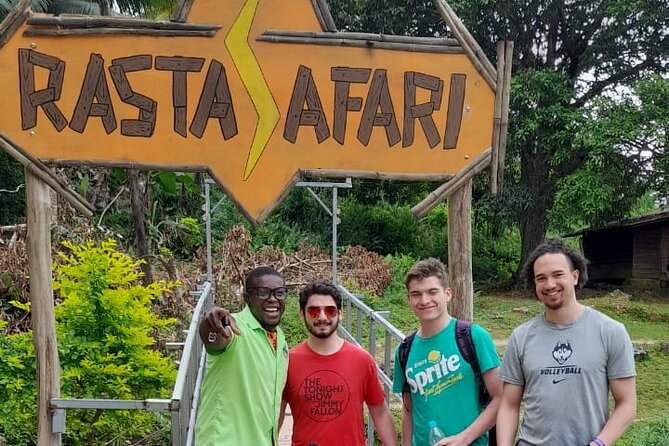
Once you reach the private Rastafarian settlement, you’ll do a short hike to the main area. It’s not described as long or extreme, but it’s enough to break the day up and give you a moment of movement before the program starts. After that, you get a welcome juice—freshly blended—and then a quick safety briefing for the ATV ride.
That safety briefing is worth taking seriously. Even if you’ve ridden before, different trails and different local equipment mean you should follow their rules exactly. The tour runs as an organized flow, so pay attention early so you’re not trying to catch up later.
Stop 1: the community hike, stories, and how you learn by doing
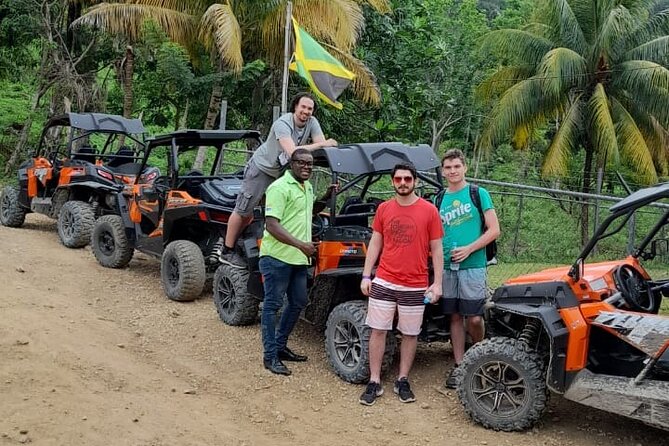
At the settlement, the experience leans into learning through interaction. You’re not just looking at a place from a distance. You’re welcomed, and you get cultural and historical context tied to the Roaring River community.
The big advantage here is that you start with the mindset of a cultural visit, not a stunt ride. A short hike brings you into the space, then the welcome juice signals that this is hosted. From there, the guide’s role becomes central: they explain what you’re seeing as you move into the next stage of the day.
You should expect your questions to come up naturally. When you’re walking through farmland and around community areas, it’s easier to ask about crops, daily routines, and what Rastafarian culture means locally. If you like guided conversation, you’ll likely enjoy this part more than a purely scripted tour.
The ATV safari: uphill roads, forest trails, and planned stops
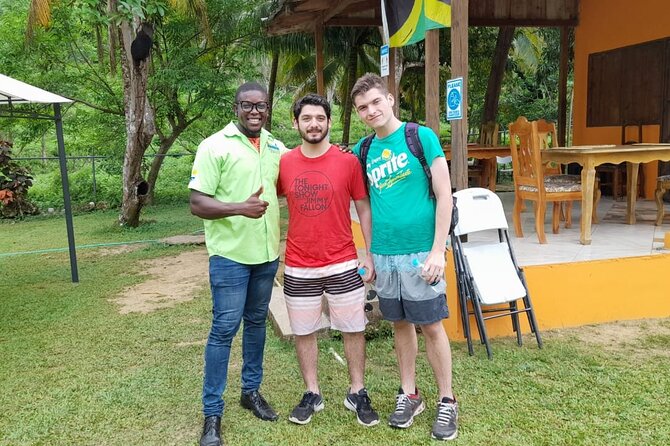
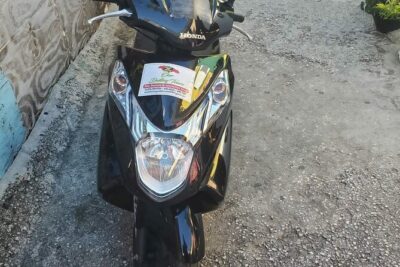
After the settlement orientation, you head out for the ATV ride—up an uphill road into lush tropical forests and farmland. The itinerary style here is practical: you ride, then you stop. You ride again, then you stop again. That keeps energy from crashing, and it gives you time to actually see what’s around you.
Along the way, the ride includes several key stops:
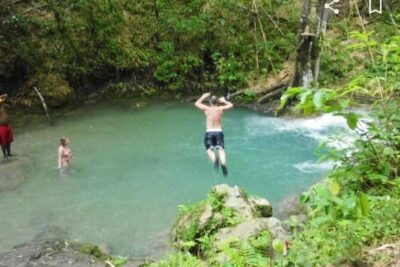
- A chance to swim in mineral springs
- Time to discover a ganja field
- Fruit tasting from trees with guidance from your host
The mineral spring swim is the kind of break that turns a ride into an experience. Instead of being stuck in motion the whole time, you get water time that changes the pace and helps you cool down.
The ganja field stop is a cultural education moment. It’s not presented as a quick photo-op; you’re meant to hear history and lifestyle context as your guide explains what cannabis represents in the community. Keep an open mind, and if you’ve got questions, ask them respectfully. This part of the day is where your attitude matters most.
For fruit tasting, this is one of those simple details that can genuinely stick with you. Seeing fruit growing and then tasting it feels different than buying something pre-packaged. I like that the tour positions this as part of the ride story, not an add-on.
Swim stops and fruit tastings: how they change the whole day
Many ATV tours feel like straight driving with a couple of roadside pauses. Here, the planned stops do the heavy lifting.
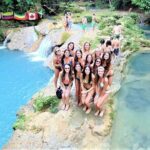
Swimming in mineral springs gives you a sensory reset. It’s also a quick reminder that you’re in Jamaica’s interior, not just passing through it. You’ll feel the day shift from motion to water time, which helps the entire afternoon feel fuller.
The fruit tasting adds another layer. It’s not just food; it’s evidence of local farming and seasonal availability. And because you’re tasting directly from trees, it connects to the lifestyle explanations you hear during the ride.
If you’re the kind of person who likes small “how do they do this?” moments, these stops are where you get them without having to hunt for them on your own.
The homemade meal: what to expect at the end
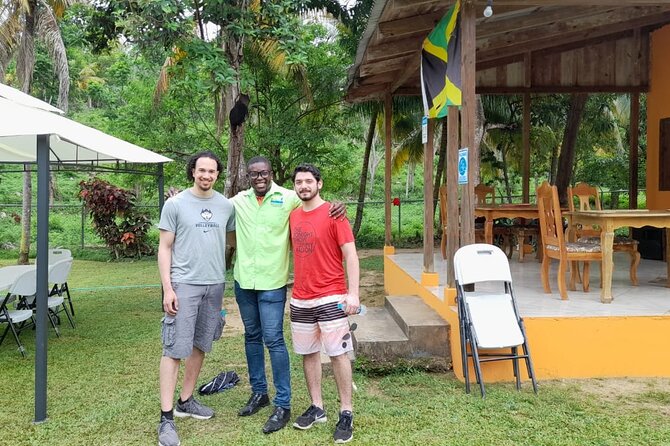
After the safari, you return to the main location for a homemade meal. The itinerary says it’s prepared by a local chef using fresh ingredients from the local market.
The wording matters: lunch is listed as not included, and the highlights say you can opt to purchase a homemade Jamaican lunch after the tour. So plan to pay if you want to eat. The upside is that you’re not grabbing food in a random roadside place. This meal is positioned as a local ingredient-to-plate kind of finish.
If you skip lunch, you’ll still have the day’s main value in the cultural stops and the riding. But if you’re hungry, I’d lean toward trying it. End-of-tour food can be a strong way to cap the day’s theme, especially when it’s connected to the community and not shipped in from outside.
Who this ATV + culture day trip suits best
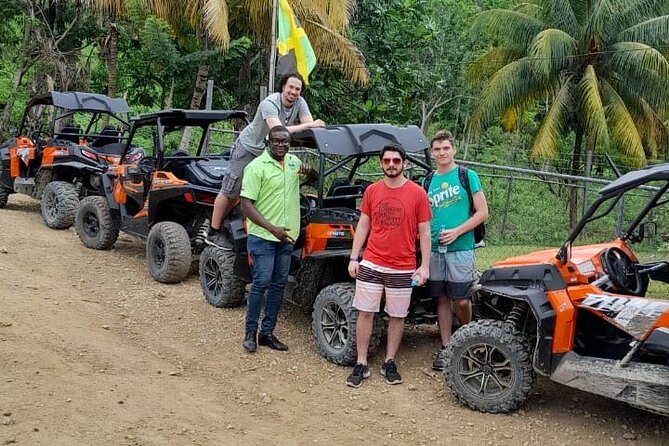
This experience is a strong match if you want more than beaches. You’ll likely enjoy it if you like guided storytelling, don’t mind a bit of physical movement, and want to see rural Jamaica up close.
It can also be a family option with older kids. The tour notes it works well for families where kids can handle an ATV-day format plus a short hike and swim stop.
On the other hand, if you’re expecting a low-effort, mostly seated ride—or if your main goal is an ATV where you want zero surprises about what’s included—then you should double-check details before you book. The ATV fee confusion from one unhappy customer is exactly the kind of detail that can change your whole day if it isn’t clarified ahead of time.
Also keep your expectations realistic about time. Four to five hours is long enough for a real outing, but short enough that the day won’t feel like a multi-stop road trip across the island.
Practical tips so you enjoy the ride more
Plan for a day that includes walking, riding, and water time. That means packing smart matters.
- Wear water-friendly footwear if you want to swim. You’ll be happier not worrying every step.
- Bring a change of clothes or a small towel if you’re planning on the mineral spring swim.
- Bring sunscreen and something for sun coverage. You’re outdoors most of the day.
- Have your camera ready, but don’t treat every stop like a photo contest. The cultural parts go better when you listen first.
- Ask up front what’s included in the ATV cost for your exact booking, since that’s where the biggest confusion has shown up.
If you’re prone to motion discomfort, consider that ATV riding is still rougher than a car road. You might find it helpful to eat lightly before pickup so you’re not feeling off during the uphill drive and ride.
Should you book RastaSafari from Montego Bay?
I’d book it if you want a guided day that mixes Rastafarian culture with an ATV safari feel, and you’re open to learning through the community stops—not just watching from the sidelines. The combination of private pickup, fruit tasting, and a mineral spring swim gives you variety in a short time window, and the homemade meal option can finish the story in a satisfying way.
I’d also book it with one small homework step: confirm what’s fully included in your ATV portion. Based on one strongly negative experience shared in the feedback you’ve got here, ATV charges might show up at the facility even if your transport is handled. Don’t guess. Ask.
Finally, remember it’s non-refundable and cannot be changed. If your dates are flexible, lock your plans only after you’re sure you’re going. If your schedule is firm, this is the kind of outing that can make Montego Bay feel like a gateway to the island’s interior instead of just a beach stop.
FAQ
How long is the RastaSafari Experience?
It runs about 4 to 5 hours.
Where does the tour start and end?
It starts in Montego Bay, Jamaica and ends back at the meeting point.
Is hotel pickup included?
Yes. Round-trip hotel pickup and drop-off are included.
What does the tour include besides pickup?
The tour includes bottled water, an air-conditioned vehicle, a professional and friendly guide, and a fuel surcharge. You also get a welcome juice.
Do I need an admission ticket?
The itinerary lists an admission ticket as free.
Is lunch included?
No. Lunch is not included, though you can opt to purchase a homemade Jamaican lunch after the tour.
Are alcoholic beverages included?
No. Alcoholic beverages are not included.
Is this a private tour?
Yes. It’s a private tour/activity, meaning only your group participates.
Can most people participate?
The information says most travelers can participate.
What is the cancellation policy?
This experience is non-refundable and cannot be changed for any reason. If you cancel or ask for an amendment, the amount you paid will not be refunded.