REVIEW · MARIJUANA FARM & CULTURAL TOURS
Rastafari Indigenous Village Tour
Book on Viator →Operated by Jamaica Mesmerizing Tours Limited · Bookable on Viator
A river crossing leads to real culture. I like how this private Rastafari Indigenous Village visit mixes guided learning with live Congo drumming and chanting, plus time to browse souvenirs right on-site.
I also enjoy the simple logistics: your driver can pick you up from your Montego Bay hotel or the cruise port and you ride in an air-conditioned vehicle.
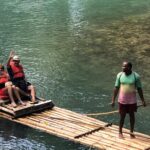
The main thing to plan for is comfort under your feet. You’ll need water shoes/sandals because you walk across a small steam to reach the village, and the experience depends on good weather.
In This Review
- Key Things That Make This Tour Worth Your Time
- A Short Tour With Big Cultural Payoff
- Getting There From Montego Bay Hotel or Cruise Port
- The Steam Crossing: What to Wear and Why It Matters
- Inside the Rastafari Indigenous Village: What You’ll See and Learn
- The 30-Minute Congo Drumming and Chanting Moment
- Shopping for Facial Products and Souvenirs Without Feeling Pushed
- Duration, Timing, and What a 2–4 Hour Day Really Feels Like
- Price and Value: Is $310 Per Person Fair for This Tour?
- Who This Private Rastafari Village Tour Fits Best
- The Bottom Line: Should You Book This Tour?
- FAQ
- Do I get pickup from my Montego Bay hotel or the cruise port?
- How long does the Rastafari Indigenous Village tour take?
- Is this a private tour?
- Is admission to the village included?
- Will there be drumming and chanting?
- Is food or drink included?
- What should I bring with me?
- Does the tour run in any weather?
- Can I cancel and get a full refund?
Key Things That Make This Tour Worth Your Time
- Private experience for your party means you’re not squeezed into someone else’s schedule.
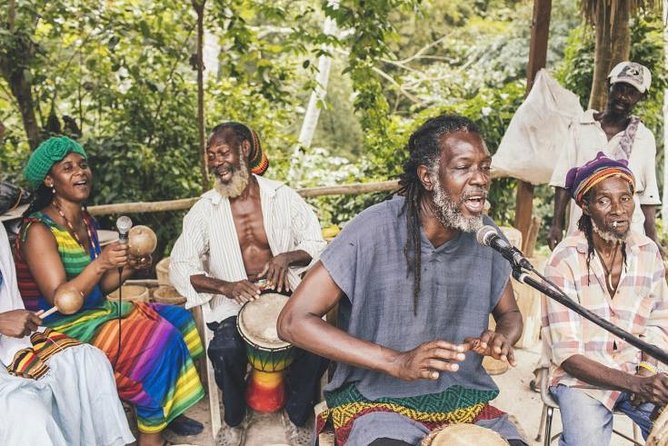
- 30 minutes of Congo drumming and chanting gives the visit a strong, memorable center.
- Guided village tour helps the cultural context feel practical, not like a random stop.
- Fruit and fresh fruit juices are included, so you’re not just watching and walking.
- On-site shopping includes facial products and souvenirs produced right in the village.
- Hotel or cruise-port pickup keeps the day from turning into a transportation puzzle.
A Short Tour With Big Cultural Payoff
This is the kind of excursion that fits well when your time in Montego Bay is limited. The total outing runs about 2 to 4 hours, but the village portion is built around learning, listening, and a few hands-on moments like sampling fruit and seeing locally made products.
What I like most is the balance. You’re not only there for performances or only there for shopping. You get a guided walk through the village, then a short stretch of live drumming and chanting that actually anchors the experience, and then time to buy items with a story behind them. It feels like a focused cultural visit rather than a rushed drive-by.
You can also read our reviews of more tours and experiences in Montego Bay.



Getting There From Montego Bay Hotel or Cruise Port
The best days in Jamaica start with easy transport. Your driver can pick you up at your Montego Bay hotel or from the cruise port, and you’ll travel in an air-conditioned vehicle. That matters when you’re out in the heat and humidity, especially if you’re also wearing foot-friendly shoes and moving on foot at the village.
Because it’s private, the ride also tends to be more relaxed. You’re not timing yourself against a bus-load of people trying to do everything at once. If you like having breathing room during shore excursions, this format makes a difference.
One extra detail I’d pay attention to: a friendly driver can make the trip feel smoother because they often share context on the area during the drive. For example, one past guest specifically called out a driver named Kevin for being accommodating and helpful with local history during the ride. Even if you don’t get the same exact person, it’s a good sign that the transport experience can include real conversation, not just transportation.
The Steam Crossing: What to Wear and Why It Matters
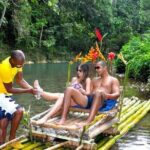
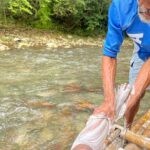
You’ll have to walk across a small steam to reach the village. This is not the moment to test new sneakers or sandals that slide. Bring water shoes (or sandals that stay put) because you’re hopping or walking across wet ground, and you want something that dries quickly.
Here’s the simple reason this matters: the tour is short. If your feet hurt early, the rest of the visit feels harder than it should. I’d treat this like a mini hike step. Wear footwear that you’d be comfortable using on slick, damp surfaces, and you’ll enjoy the guided portion much more.
Inside the Rastafari Indigenous Village: What You’ll See and Learn
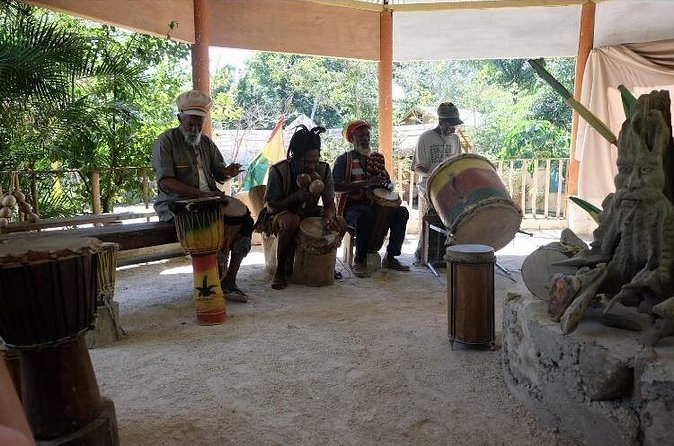
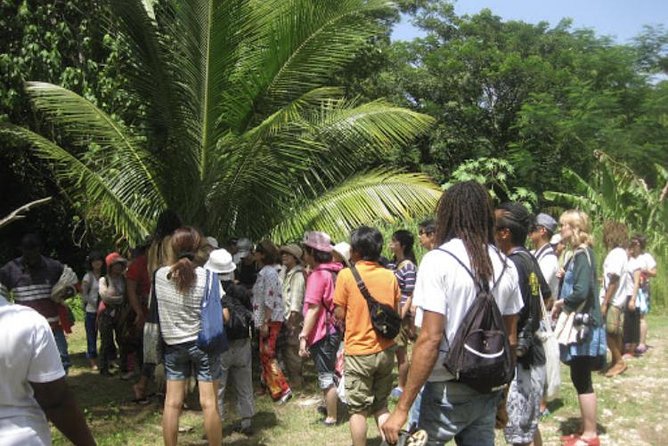
Once you arrive, you’re met by friendly local guides and brought into the rhythm of the village. The guided tour is built to give you information about Rastafarianism and how life is expressed in this setting. Since the village is home to local Rastafarians, you’re not just looking at a recreated attraction—you’re seeing a living community space.
Expect a walk that mixes explanation with practical moments. There are samples of fresh fruits and fresh fruit juices, which is a small detail but a smart one. It turns the visit from purely informational into something more human-scale: you taste, you listen, you move.
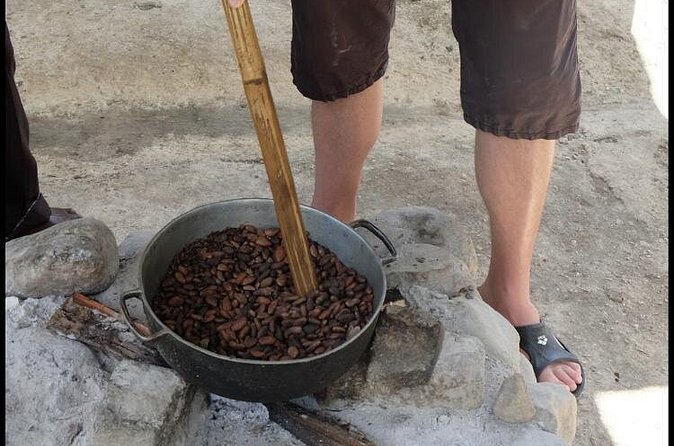
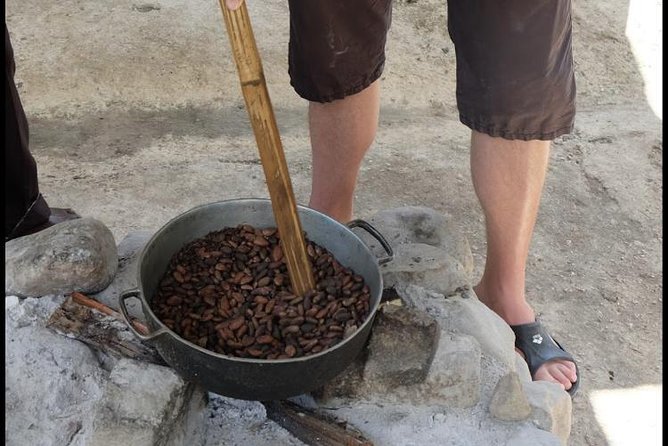
At the end of the guided time, you’ll be shown facial products and souvenirs produced right there in the village. That part matters if you prefer souvenirs that come with context—items tied to local production rather than generic mass-made goods.
One more tip: bring a camera if you want to capture the drumming moment and the village environment. You’ll get enough going on in a couple of hours that you’ll wish you had your phone charged.
The 30-Minute Congo Drumming and Chanting Moment
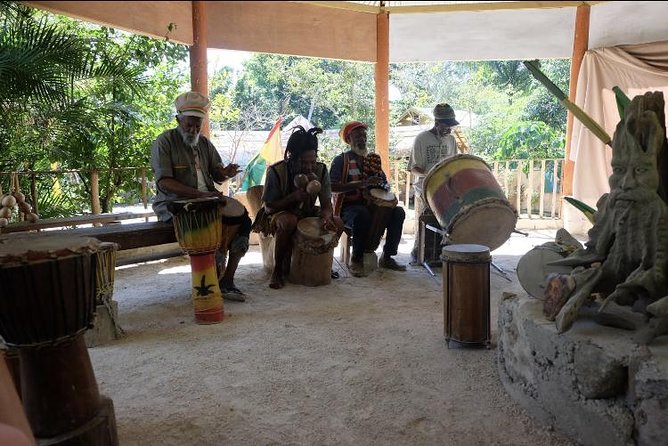
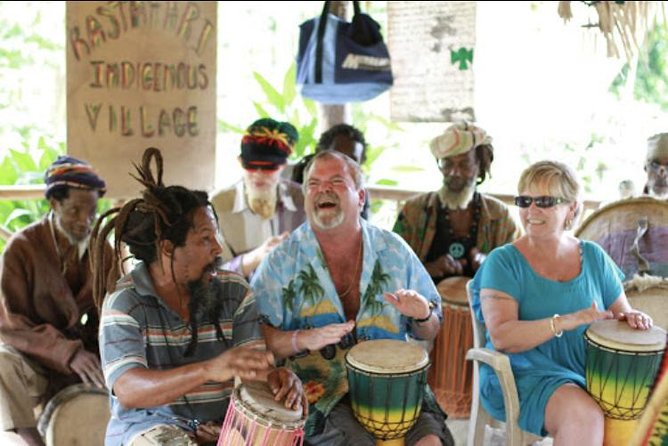
The tour includes about 30 minutes of real authentic Congo drumming and chanting. This is the heartbeat of the experience. Even if you’re not someone who typically chases live music, this segment tends to work because it’s short and purposeful.
For me, the key is the timing. It’s not scheduled so you’re exhausted from walking all over. It’s placed as a highlight after your initial introduction and guide-led orientation, so you understand a bit more of what you’re hearing while you’re hearing it.
If you’re sensitive to sound, you’ll still want to be close enough to notice the rhythm and the call-and-response energy, but you can position yourself based on comfort. Just don’t expect this to be a silent, museum-style moment—it’s music meant to be felt.
Shopping for Facial Products and Souvenirs Without Feeling Pushed
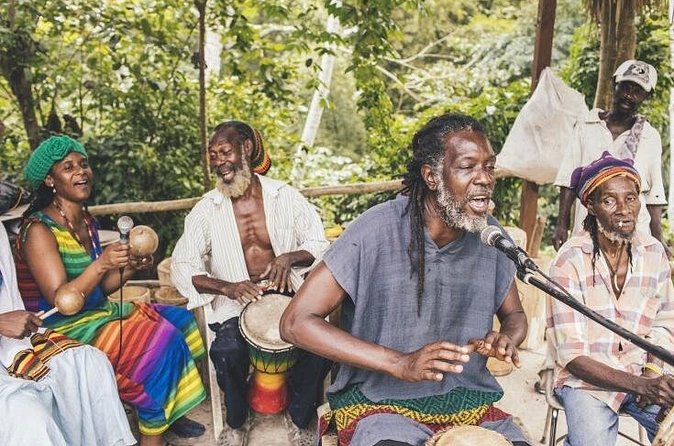
Shopping can ruin a cultural tour if it feels like a pressure campaign. In this case, you’re given time at the end to see the facial products and souvenirs produced in the village, and you can make purchases if you want.
I like that the tour frames shopping as a continuation of the experience, not as a separate errand. If you’re someone who likes to buy things that connect to what you just learned, this is a better match than the classic quick-stop market.
Practical advice: bring cash. The tour info specifically notes cash, and having it ready saves time and stress—especially when you’re only there for a limited window.
Duration, Timing, and What a 2–4 Hour Day Really Feels Like
The overall outing is listed as about 2 to 4 hours. That range is helpful because it gives the tour room to adjust based on timing, movement, and the village experience that day.
Still, the short duration is why planning your expectations matters. You’re not doing a full-day cultural immersion. Instead, you’re choosing a concentrated experience: pickup, guided village learning, fruit samples, drumming and chanting, then shopping and back to your ship or hotel.
If you’re on a cruise, this length is often a sweet spot. It’s long enough to feel meaningful but not so long that it turns into a whole second vacation. If you’re staying in Montego Bay and want a calm, structured excursion, it can also work well as a half-day plan.
Price and Value: Is $310 Per Person Fair for This Tour?
At $310 per person, this isn’t a budget outing. So let’s talk value in the way that matters: what you’re buying.
You’re paying for a few things that add up:
- Private transportation in an air-conditioned vehicle, typically from either your hotel or the cruise port
- Admission included for the village time
- A guided village experience, plus live Congo drumming and chanting
- Fruit and fresh fruit juice samples
- Time for on-site shopping, including facial products made there
Where value really shows is if you want more than a drive-through. If you’re a solo traveler, it can feel pricey because private tours don’t spread cost across a bigger crowd. If you’re traveling with your own group, the private format usually feels more reasonable because you’re not sharing your day with strangers.
Also note the booking lead time: it’s commonly booked about 28 days in advance on average. That’s a small clue that it’s popular and that you’ll be better off reserving early if your dates are set.
Who This Private Rastafari Village Tour Fits Best
This is a strong match if you:
- Want a culture-forward outing rather than a beach-and-bar loop
- Like the idea of learning with a guide and then seeing the community side of what you’re learning
- Prefer a private group experience over a big shared group
- Are comfortable doing a short walk and taking a couple of wet-step moments seriously by wearing the right shoes
It’s also a good fit if you’re the kind of visitor who appreciates respectful listening. The experience is built around guided context, drumming and chanting, and community-made products. If you can stay present for those parts, the tour delivers.
If you dislike audio-heavy moments, plan for the drumming segment. If you’re not steady walking on uneven damp ground, choose footwear carefully and take your time with the steam crossing.
The Bottom Line: Should You Book This Tour?
I’d book this tour if you want a focused, guided cultural visit that includes the things that make it memorable: fruit, drumming and chanting, and time to view locally made products. The private pickup from your hotel or cruise port is a real quality-of-life upgrade, and the short duration helps it fit into tight travel schedules.
Skip it (or at least think twice) if you don’t want to deal with damp-foot walking. Bring water shoes and you’ll be fine; ignore that detail and you’ll likely feel it later.
If you book, I recommend you come with a camera, some cash, and a calm pace. This is the kind of experience where listening and asking questions can turn a good outing into a genuinely meaningful one.
FAQ
Do I get pickup from my Montego Bay hotel or the cruise port?
Yes. Pickup is offered from your Montego Bay hotel or from the cruise port.
How long does the Rastafari Indigenous Village tour take?
It typically runs about 2 to 4 hours total.
Is this a private tour?
Yes. It’s a private experience, and only your group participates.
Is admission to the village included?
Yes. Admission is included (with about 1 hour at the village).
Will there be drumming and chanting?
Yes. You’ll experience about 30 minutes of Congo drumming and chanting.
Is food or drink included?
Yes. Fresh fruits and fresh fruit juices are available.
What should I bring with me?
Bring water shoes for the steam crossing, plus cash and a camera.
Does the tour run in any weather?
The experience requires good weather. If it’s canceled due to poor weather, you’ll be offered a different date or a full refund.
Can I cancel and get a full refund?
Yes. You can cancel up to 24 hours in advance for a full refund, based on local time. If you cancel less than 24 hours before the start time, the amount paid won’t be refunded.