REVIEW · MARIJUANA FARM & CULTURAL TOURS
Rastafari Indigenous Village Tour Transportation [Entry Not included]
Book on Viator →Operated by Road Travel Jamaica · Bookable on Viator
Rasta culture hits different when it’s taught by believers. This Montego Bay tour takes you to a living cultural center shaped by the Rastafari movement, which grew in Jamaica in the 1930s, and you’ll meet practicing Rastafarians who explain daily life, values, and traditions.
I especially like two parts: the chance to watch and learn about handmade drum making (passed down through generations), and the organic garden plus vegan meal angle that explains why Rastafarians choose a plant-based way of eating.
One thing to plan for: the tour price doesn’t include village entry, so your total cost will be higher once admission is added.
In This Review
- Key things to know before you go
- Why this Rastafari Indigenous Village tour feels more personal
- Getting picked up in Montego Bay (plus Negril and Falmouth)
- What happens when you arrive at the Rastafari Indigenous Village
- Handcrafted drums: more than a sound
- The organic garden: herbs, vegetables, and reasons
- A meal with the Rastafari: taste first, ask questions after
- Time in the village store
- Vegan diet, explained in human terms
- How long you’ll actually spend out there
- Transportation value: where the money goes at $64.83
- Comfort and pace: air-conditioning plus a private group
- A note on shopping (and how to keep it from taking over)
- Weather can affect your day
- Who should book this tour?
- Should you book the Rastafari Indigenous Village tour?
- FAQ
- Is village admission included in the price?
- How long is the tour?
- Does the tour include hotel pickup?
- Where does pickup service operate?
- Is this a shared tour or private?
- What type of vehicle do you ride in?
- Is there a discount for larger groups?
- Do I need to bring a paper ticket?
- What if the weather is bad?
- FAQ
- Is there free cancellation?
- Where is the tour located?
Key things to know before you go
![Rastafari Indigenous Village Tour Transportation [Entry Not included] - Key things to know before you go](https://tour.exploremontegobay.com/wp-content/uploads/rastafari-indigenous-village-tour-transportation-entry-not-included-1.jpg)
- Hotel pickup included in an air-conditioned vehicle, with service from Negril, Falmouth, or Montego Bay
- Private tour setup for your group only, with options sized for big or small groups
- Drum makers and cultural storytelling are central, not an afterthought
- Organic vegetable and herb garden plus vegan diet explanation and a meal you can taste
- Most tours run 2 to 4 hours, with half- or full-day options depending on what you choose
- Admission is extra, so budget for the ticket at the village
Why this Rastafari Indigenous Village tour feels more personal
![Rastafari Indigenous Village Tour Transportation [Entry Not included] - Why this Rastafari Indigenous Village tour feels more personal](https://tour.exploremontegobay.com/wp-content/uploads/rastafari-indigenous-village-tour-transportation-entry-not-included-2.jpg)
Rastafari isn’t just something you read about. It’s a spiritual movement with a worldview, and this tour is built to show you how that shows up in day-to-day life. Instead of a quick drive-by stop, you spend time in a living cultural center where practicing Rastafarians talk about beliefs, values, and practices.
I like that the tour focuses on things you can see and do: handmade drum craft, an organic herb and vegetable garden, and a chance to eat. Those are tangible experiences, so it doesn’t feel like you’re stuck listening the whole time.
Also, it helps that the tour is designed around people meeting people. You’re not going to a performance that ends when the ticket clock runs out. The vibe is more like learning from hosts who are used to sharing.
You can also read our reviews of more tours and experiences in Montego Bay.



Getting picked up in Montego Bay (plus Negril and Falmouth)
![Rastafari Indigenous Village Tour Transportation [Entry Not included] - Getting picked up in Montego Bay (plus Negril and Falmouth)](https://tour.exploremontegobay.com/wp-content/uploads/rastafari-indigenous-village-tour-transportation-entry-not-included.jpg)
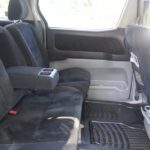
Transportation is one of the strongest practical perks here. You get round-trip pickup from your hotel area, and you ride in an air-conditioned vehicle. Jamaica heat is real—so starting and ending comfortable matters more than you think.
The pickup service is available from Negril, Falmouth, or Montego Bay, which is handy if you’re staying outside the “center” of tourist activity. You’ll also find that vehicle sizes vary, which is useful if your group is small (or if you’re traveling with family and want space).
Another plus: this is listed as a private tour/activity, meaning only your group participates. That’s often the difference between feeling like a number on a schedule and actually getting a more comfortable pace.
What happens when you arrive at the Rastafari Indigenous Village
![Rastafari Indigenous Village Tour Transportation [Entry Not included] - What happens when you arrive at the Rastafari Indigenous Village](https://tour.exploremontegobay.com/wp-content/uploads/rastafari-indigenous-village-tour-transportation-entry-not-included-4.jpg)
Your main stop is the Rastafari Indigenous Village itself, and the tour is built around a few clear theme areas. You’re introduced to the people and the cultural center, then you move through experiences that connect Rastafari beliefs to everyday work and routines.
Handcrafted drums: more than a sound
One highlight is time with drum makers. You’ll learn about how traditional drums are created by hand, using techniques passed down through generations. Even if you’re not a music person, drums carry cultural meaning—rhythm is part of celebration, storytelling, and community.
Why this matters for your trip: it gives context. Instead of hearing drums as background music, you understand the craft behind them and the tradition behind the craft.
The organic garden: herbs, vegetables, and reasons
Next, you can tour an organic vegetable and herb garden. This isn’t framed as “look at plants.” It’s connected to why Rastafarians choose a vegan diet and what they believe the benefits are.
Practical takeaway: if you’ve ever wondered what plant-based living looks like outside of a Western health trend, this is one way to see the logic through a community’s lens.

A meal with the Rastafari: taste first, ask questions after
After the garden and cultural explanations, you can have a meal with the Rastafari and taste the food for yourself. This part is valuable because it turns ideas into something you can experience immediately.
And since you’ll be with practicing Rastafarians while you eat, you’ll have a more natural chance to ask questions as they come up—what you’re tasting, what ingredients mean, and how the diet fits their lifestyle.
Time in the village store
There’s also mention of a small store where you can browse and pick up items. I treat these stops like a bonus: great if you want a souvenir that fits the place, and easy to skip if you’d rather keep the focus on the experience.
Vegan diet, explained in human terms
![Rastafari Indigenous Village Tour Transportation [Entry Not included] - Vegan diet, explained in human terms](https://tour.exploremontegobay.com/wp-content/uploads/rastafari-indigenous-village-tour-transportation-entry-not-included-5.jpg)
The vegan part of this tour isn’t presented like a lecture. You’ll see an organic garden first, then you’ll hear about why Rastafarians follow a vegan diet and what they see as its benefits. That sequence matters because it links the “why” to the “how.”
If you’re already vegan or just curious, you’ll likely enjoy how practical it feels. You’re not just told the diet is important—you’re shown the garden and then offered a meal. That’s a clean, easy way to understand what’s happening.
If you’re not vegan, you’re still not locked into a lecture. You can taste what’s offered and decide what resonates. Just come hungry and open-minded. (And yes, you’ll probably leave thinking about food in a slightly different way.)
How long you’ll actually spend out there
![Rastafari Indigenous Village Tour Transportation [Entry Not included] - How long you’ll actually spend out there](https://tour.exploremontegobay.com/wp-content/uploads/rastafari-indigenous-village-tour-transportation-entry-not-included-6.jpg)
The tour duration is listed as 2 to 4 hours (approx.), and you can choose a half- or full-day style depending on what you select. That flexibility helps if you’re juggling other Jamaica plans, like beach time, a river tour, or a day trip around Montego Bay.
Here’s the realistic way to plan: even on a shorter version, you’ll want enough time to slow down at the village. The drum making and garden are not “blink and miss it” stops. If you try to stack too many activities right after, you’ll likely feel rushed.
Transportation value: where the money goes at $64.83
![Rastafari Indigenous Village Tour Transportation [Entry Not included] - Transportation value: where the money goes at $64.83](https://tour.exploremontegobay.com/wp-content/uploads/rastafari-indigenous-village-tour-transportation-entry-not-included-7.jpg)
At $64.83 per person, this tour can be a fair value because round-trip hotel transportation and an air-conditioned vehicle are included. In many Jamaica tours, getting pickup plus comfortable transport adds cost quickly, so this helps keep the base price reasonable.
But here’s the balancing note: entry/admission to the village is not included. So your final spend will depend on the admission ticket at the village. If you’re comparing prices, treat $64.83 as the transport-and-guide package, then add the village ticket on top.
What makes it worth checking out anyway: the core experiences are built around hands-on cultural elements—drums, garden walk, and a meal. That’s more than a quick photo stop, and the private-group setup can also improve your overall experience.
Comfort and pace: air-conditioning plus a private group
![Rastafari Indigenous Village Tour Transportation [Entry Not included] - Comfort and pace: air-conditioning plus a private group](https://tour.exploremontegobay.com/wp-content/uploads/rastafari-indigenous-village-tour-transportation-entry-not-included-8.jpg)
I’m a fan of tours that respect your body. Between sun, heat, and the pace of Jamaican roads, air-conditioned transport is a big quality-of-life upgrade. You also avoid the “everyone crammed into one bus” feeling, since vehicle sizes can be matched to group size.
The private tour format helps with the pacing too. Even if the village schedule is the village schedule, your guide can usually work with your group’s interest level—whether you want more time asking questions or you prefer a faster walk-through.
A note on shopping (and how to keep it from taking over)
The tour includes a “request for shopping,” which usually means you may be able to browse in the village store if you want. It’s not described as a high-pressure shopping run, and the rest of the experience is clearly focused on culture.
My advice: set a simple rule for yourself—only buy if it’s directly tied to what you learned or saw. If you’re not into souvenirs, it’s totally reasonable to treat that as a quick browse, not a mission.
Weather can affect your day
This experience requires good weather. If conditions aren’t right, it’s canceled and you’ll be offered a different date or a full refund. That’s a reasonable trade-off for an outdoor-friendly village day, including the garden portion.
If you’re in Jamaica for only a tight window, build in some flexibility on your schedule. One canceled tour day can otherwise mess with the rest of your plan.
Who should book this tour?
This works best for you if:
- You want Rastafari culture from practicing Rastafarians, not a generic cultural show
- You like tours where you learn through craft (drums) and real-life routines (garden and vegan food)
- You prefer pickup included and a comfortable air-conditioned ride
- You want a private-group feel rather than a crowded bus experience
You might think twice if:
- You’re mainly chasing beach time and don’t want to add a cultural stop that runs a few hours
- You’re very budget-sensitive, since admission is extra
Should you book the Rastafari Indigenous Village tour?
I’d book it if your idea of a great Jamaica day is hands-on cultural learning, especially when it includes something you can taste and something you can watch being made. The combination of drum makers, an organic garden tour, and a vegan meal makes the visit feel practical, not just ceremonial.
Just don’t ignore the budget detail: plan for the village entry fee on top of $64.83. If you can do that, the overall structure feels like a solid value—especially with hotel pickup and air-conditioned transport included.
If you’re already interested in Rastafari as a spiritual movement, this is one of the more direct ways to see how beliefs connect to real daily life in Jamaica.
FAQ
Is village admission included in the price?
No. Entry/admission to the Rastafari Indigenous Village is not included in the listed price.
How long is the tour?
The duration is listed as 2 to 4 hours (approx.), depending on the option you choose.
Does the tour include hotel pickup?
Yes. Round-trip transportation from your hotel is included, using an air-conditioned vehicle.
Where does pickup service operate?
Pickup service is available from Negril, Falmouth, or Montego Bay.
Is this a shared tour or private?
It’s listed as a private tour/activity, meaning only your group will participate.
What type of vehicle do you ride in?
You ride in an air-conditioned vehicle, and there are a range of vehicle sizes available for big or small groups.
Is there a discount for larger groups?
Yes. Group discounts are listed as a feature.
Do I need to bring a paper ticket?
No. The tour includes a mobile ticket.
What if the weather is bad?
The experience requires good weather. If it’s canceled due to poor weather, you’ll be offered a different date or a full refund.
FAQ
Is there free cancellation?
Yes. You can cancel up to 24 hours in advance for a full refund, and cancellation is free.
Where is the tour located?
It’s in Montego Bay, Jamaica.