REVIEW · MARIJUANA FARM & CULTURAL TOURS
Rastafari Indigenous Village Tour
Book on Viator →Operated by Jamaica Terrific Travel Tours · Bookable on Viator
A visit to a Rastafari village feels both personal and eye-opening. This private day trip takes you from Montego Bay to an Indigenous Rastafari community where music, herbs, and everyday teachings share the same space. I especially like the mix of Congo drumming and hands-on learning, plus the chance to walk a meditative labyrinth at your own pace.
Two things I love: first, you’re not rushed through a checklist—you can slow down and absorb what you’re hearing. Second, the guides focus on lived culture, from medicinal herb use to customs and the meaning behind Rastafari music. One possible drawback: it depends on good weather, and you’ll want water shoes because you cross a small steam/river edge to reach the village.
In This Review
- Key takeaways
- Rastafari Indigenous Village: What You’re Really Signing Up For
- From Montego Bay Pickup to Air-Conditioned Ride
- The Village Arrival and the Crossing: Footwear Is Not Optional
- The 4-Hour Village Visit: Fruit, Juice, and a Calm Pace
- Music With Meaning: Congo Drumming and Chanting
- Herbs, Teachings, and Village Guides: Ask Better Questions
- The Souvenir and Facial Products Stop: Supporting Makers
- Food Moments and Concert Feel: What Might Happen During Your Visit
- Price and Value: Is $250 Worth It?
- Weather Matters: Planning Around Good Conditions
- Who This Tour Suits Best (and Who Might Want Another Option)
- My Decision Guide: Should You Book This Rastafari Village Tour?
- FAQ
- How long is the Rastafari Indigenous Village tour?
- Is hotel pickup and drop-off included?
- What should I wear for the village visit?
- Is the tour private?
- What’s included with the village entry?
- What’s the cancellation policy?
Key takeaways
- Private, just-your-group pacing means you can ask questions without feeling herded.
- Hotel pickup and drop-off keeps the day simple and reduces hassle in Montego Bay.
- About 30 minutes of Congo drumming and chanting gives the music real presence.
- Medicinal herbs and teachings are part of the story, not just a photo stop.
- Fresh fruit and juice help you stay comfortable during the village time.
- Bring water shoes for the crossing—this is the one detail that can make or break comfort.
Rastafari Indigenous Village: What You’re Really Signing Up For
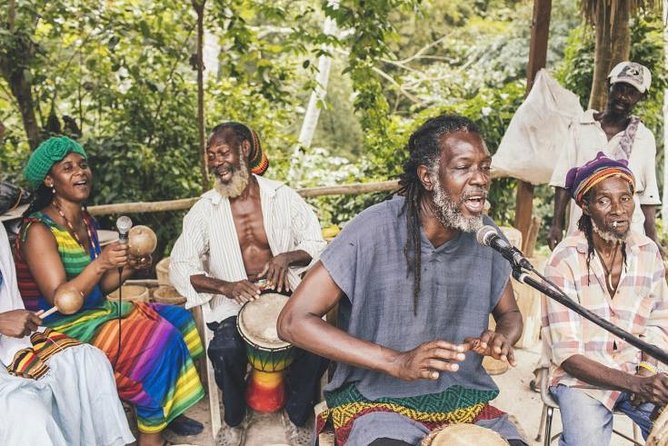
This tour is built around a real community experience, not a stage-managed show. You’ll head out from Montego Bay to the Rastafari Indigenous Village and meet friendly village guides who explain customs, local history, and music in plain language. The goal isn’t to hand you a script. It’s to give you context—then let you walk through it at your own speed.
The setting matters. When you arrive, you’re met as visitors in a working space where daily life and belief systems overlap. If you like travel that trades generic facts for human conversation, this is the kind of experience that can stick with you longer than the typical beach-and-bus day.
You can also read our reviews of more tours and experiences in Montego Bay.



From Montego Bay Pickup to Air-Conditioned Ride
Logistics are handled for you in a practical way. You get hotel pickup and drop-off, plus an air-conditioned vehicle to get you out to the village comfortably. The full outing runs about 6 hours total, with around 4 hours spent at the village itself.
That split is important. You’re not just doing a quick entrance-and-exit. You have time to settle in, walk the route to the village, listen to the guided parts, and still have breathing room if you want to linger. Also, since it’s private, your group doesn’t have to fit around other schedules.
If you’re planning this during a peak travel week, it helps to book ahead. The average booking window is around 26 days, so don’t wait until the last minute.
The Village Arrival and the Crossing: Footwear Is Not Optional
Here’s the one part you should take seriously: getting to the village involves crossing a small steam/river edge. The tour guidance is clear—wear sandals or water shoes that dry quickly. You’ll be hopping and walking across, so you want something that’s comfortable for wet ground.
What I’d do in your shoes:
- Choose water shoes with grip (slips happen when feet get wet).
- Bring spare socks in your bag if your trip style is more comfort-focused.
- If you wear sandals, make sure straps stay secure when your feet are damp.
This is the kind of detail that can turn an otherwise smooth day into a fussy one, so plan for it and you’ll feel a lot more relaxed once you arrive.
The 4-Hour Village Visit: Fruit, Juice, and a Calm Pace
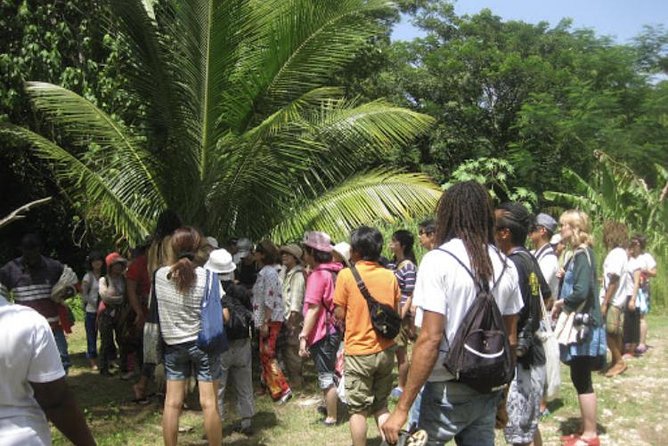
Once you reach the village, you’re met with a lot to see and hear. Expect an information-rich visit that blends history, culture, and everyday practices. You’ll have opportunities to walk around and learn without feeling trapped on a tight timeline.
A small refreshment moment is built into the experience. You’ll be offered fresh fruit and fresh fruit juices. That matters more than it sounds, especially in Jamaica’s heat. It’s the kind of comfort stop that keeps you engaged rather than distracted by fatigue.
Another highlight is the chance to slow down with the village’s meditative labyrinth. Even if you’re not a meditation person, this can be a useful reset. The point is to give you a quiet, physical experience while you’re still in the middle of the tour story.
Music With Meaning: Congo Drumming and Chanting
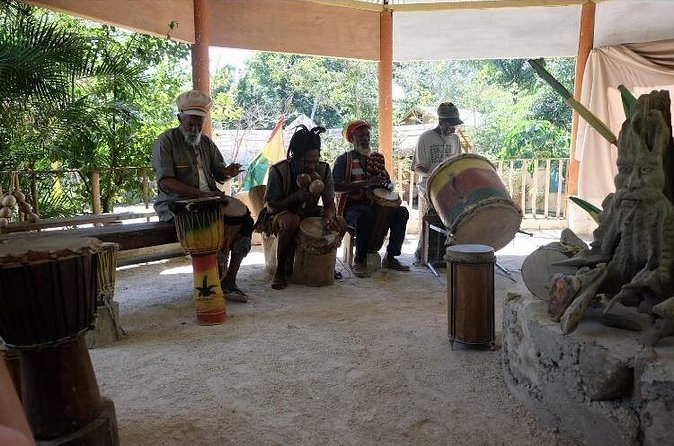
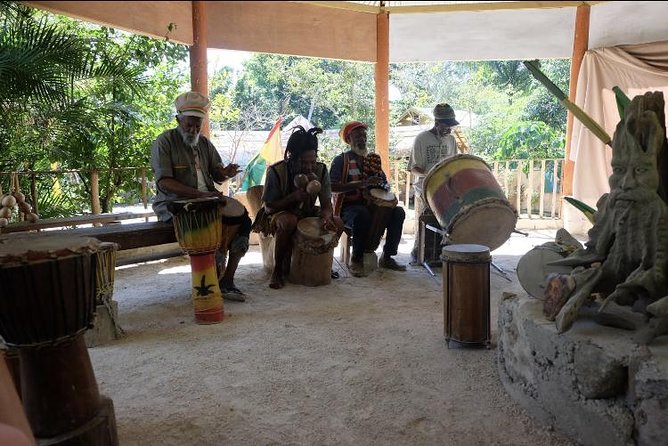
Music is central here, and you’ll get time with it in a focused way. You’ll be treated to about 30 minutes of Congo drumming and chanting. This isn’t presented as background. It’s framed as part of the culture and community expression.
If you’re wondering what to do during drumming and chanting, keep it simple:
- Stand close enough to feel the sound, but give yourself space to watch and listen.
- If you’re asked to participate, follow the guide’s cues.
- Let your ears do the work first—don’t jump straight to filming.
From the way guides present it, the music ties back to teachings and values, not just performance. That makes it more memorable than a quick photo moment.
Herbs, Teachings, and Village Guides: Ask Better Questions
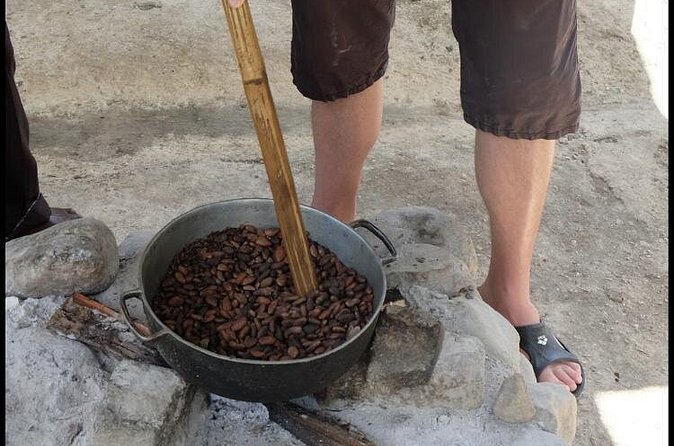
One of the most praised parts of this tour is the attention to medicinal use of herbs, plus Rastafari culture and teachings. You’ll learn about how herbs play a role in traditional practices, and you’ll hear the story in the context of daily life and belief.
It’s also a conversation tour in practice. You’ll meet village guides who explain things directly, and you’ll get more out of the day if you come with a few curious, respectful questions. For example:
- How do herbs fit into daily care or spiritual practice?
- What does music mean in community life?
- What should visitors understand about the origins of Rastafari traditions?
In particular, guides such as Queen I and her brother are noted for being especially welcoming and informative. If you get the chance to speak with them, you’re likely to walk away with explanations that feel grounded and personal.
The Souvenir and Facial Products Stop: Supporting Makers
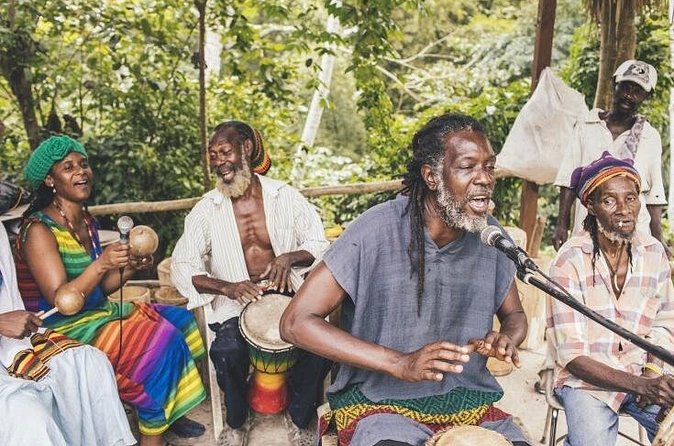
After the village experience, you’ll be taken to see facial products and souvenirs made right there in the village. This is more than a shop stop. It’s part of the way the community shares what it makes and how it supports itself.
You can browse and buy if something connects with you. Many visitors leave with handmade soap and small trinkets. If you do purchase, treat it like support for the people who hosted you—ask what goes into what you’re buying and who makes it.
Tip: give yourself time here. If you rush, you’ll miss the explanations, and those stories are often the best part.
Food Moments and Concert Feel: What Might Happen During Your Visit
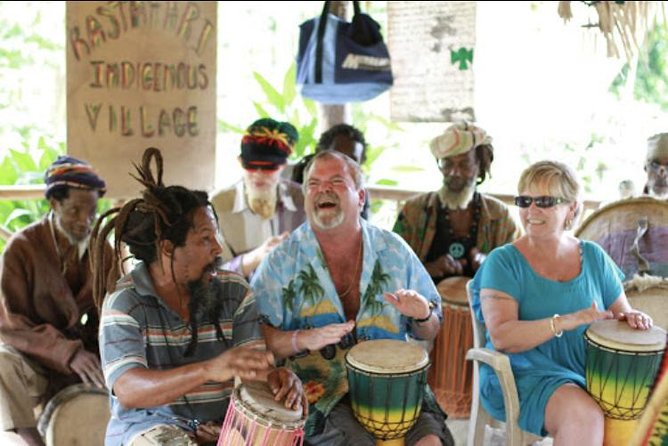
The core experience includes fruit and juice, plus drumming and chanting. Some groups also experience additional village food and a concert-like moment as part of the day’s flow, depending on how the visit plays out.
I’d go in with a flexible mindset. If food is offered, enjoy it. If music expands beyond the scheduled drumming and chanting, take it as a bonus rather than something you must chase.
This is one reason private pacing helps. Your guide can shape the day around your group’s energy while still keeping the experience grounded in what the village wants visitors to see.
Price and Value: Is $250 Worth It?
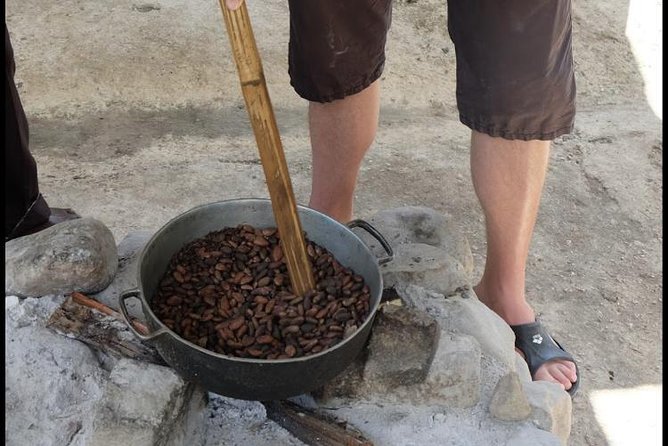
At $250 per person, this isn’t a budget outing. The real question is whether the experience delivers value beyond cost.
Here’s what you’re getting for that price:
- Private transportation in an air-conditioned vehicle
- Hotel pickup and drop-off (huge for time and stress)
- Entry/admission to the Rastafari Indigenous Village
- A full private visit with guided learning, drumming time, and a labyrinth walk
In other words, you’re paying for access and time—two things many cheaper trips skip. If you want a simple day with real cultural context, plus guided explanation you can hear clearly, this can feel fair.
If you’re traveling with friends or family, private pricing gets more reasonable because it’s shared within your group. Also, group discounts are offered, so it’s worth checking if your party size qualifies.
My practical take: if you’re the kind of traveler who doesn’t just want photos, and you’re excited by culture, herbs, music, and conversation, this price can make sense.
Weather Matters: Planning Around Good Conditions
This experience requires good weather. If it’s canceled due to poor weather, you’ll be offered a different date or a full refund. That’s the practical approach you want—no awkward “maybe” situation.
What you can do: keep an eye on forecast the day before and aim for a time when rain chances are lower. If you’re flexible with dates, this becomes easier.
Who This Tour Suits Best (and Who Might Want Another Option)
This tour fits best if you want:
- A private day with room to move at your own pace
- Real cultural education focused on Rastafari beliefs, customs, and music
- A guided visit with time for questions and calm moments like the labyrinth walk
You’ll also like it if you enjoy learning how traditions connect to practical life—like the role of medicinal herbs—and if you’re comfortable with a bit of walking and a wet crossing.
It may not be ideal if you:
- Hate getting your feet wet (you can manage this with the right shoes, but it’s still part of the experience)
- Want a purely beach-based itinerary
- Expect a modern, urban-style tour with minimal walking
Good news: most travelers can participate, but the crossing means you should choose footwear thoughtfully.
My Decision Guide: Should You Book This Rastafari Village Tour?
Book it if you want a day that feels human and meaningful: music you can feel, stories you can ask questions about, and a calm labyrinth walk that breaks up the usual sightseeing rhythm. I also think it’s a strong choice if you’re already in Jamaica and want a cultural side that’s not just music playing in the background.
Skip it or reconsider if you’re traveling with limited footwear options, you strongly dislike wet crossings, or you can’t be flexible with weather-related date changes.
If you’re on the fence, here’s the simplest way to choose: if the idea of learning Rastafari history, herb traditions, and Congo drumming sounds like your kind of day, you’ll likely find the $250 price easier to justify.
FAQ
How long is the Rastafari Indigenous Village tour?
The tour runs about 6 hours total, with approximately 4 hours at the village.
Is hotel pickup and drop-off included?
Yes. You get hotel pickup and drop-off, plus private transportation in an air-conditioned vehicle.
What should I wear for the village visit?
Wear sandals or water shoes that can handle getting wet. You need them for walking across a small steam/river edge to reach the village.
Is the tour private?
Yes. It’s a private tour/activity, so only your group participates.
What’s included with the village entry?
Entry to the Rastafari Indigenous Village is included, along with an admission ticket.
What’s the cancellation policy?
You can cancel for free up to 24 hours in advance of the experience for a full refund. If you cancel within 24 hours of the start time, the amount paid is not refunded. The experience also depends on good weather, and poor-weather cancellations can lead to a different date or a full refund.